
Cladding installation, Sydney
Cladding sets the face of a building and takes the weather first. We install timber, fibre cement and composite systems, with the flashings and set-out that keep them straight and dry.
licensed & insured · nsw contractor licence no. 479614C
what the work covers
- weatherboard and timber cladding
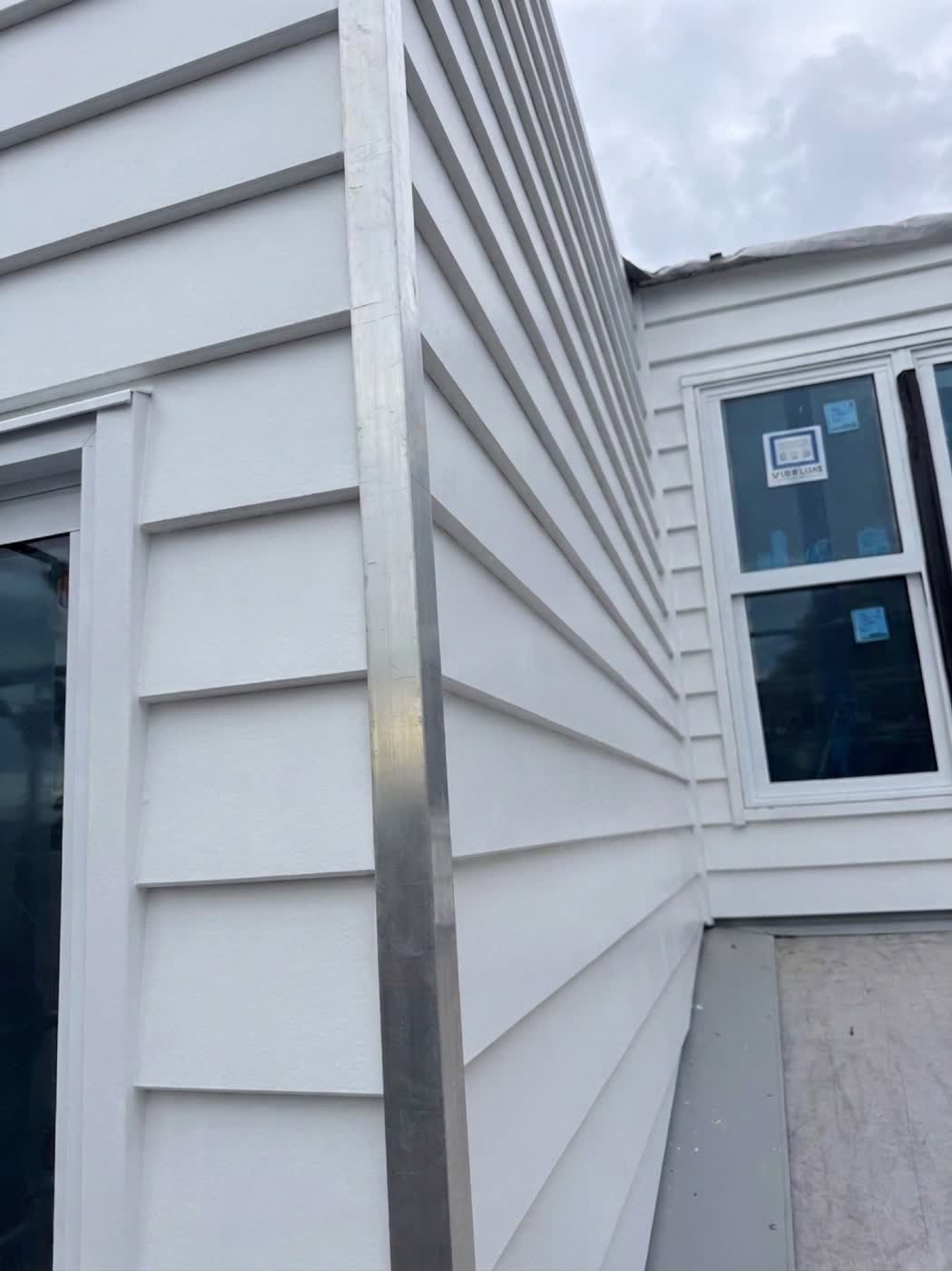
- fibre cement and composite systems
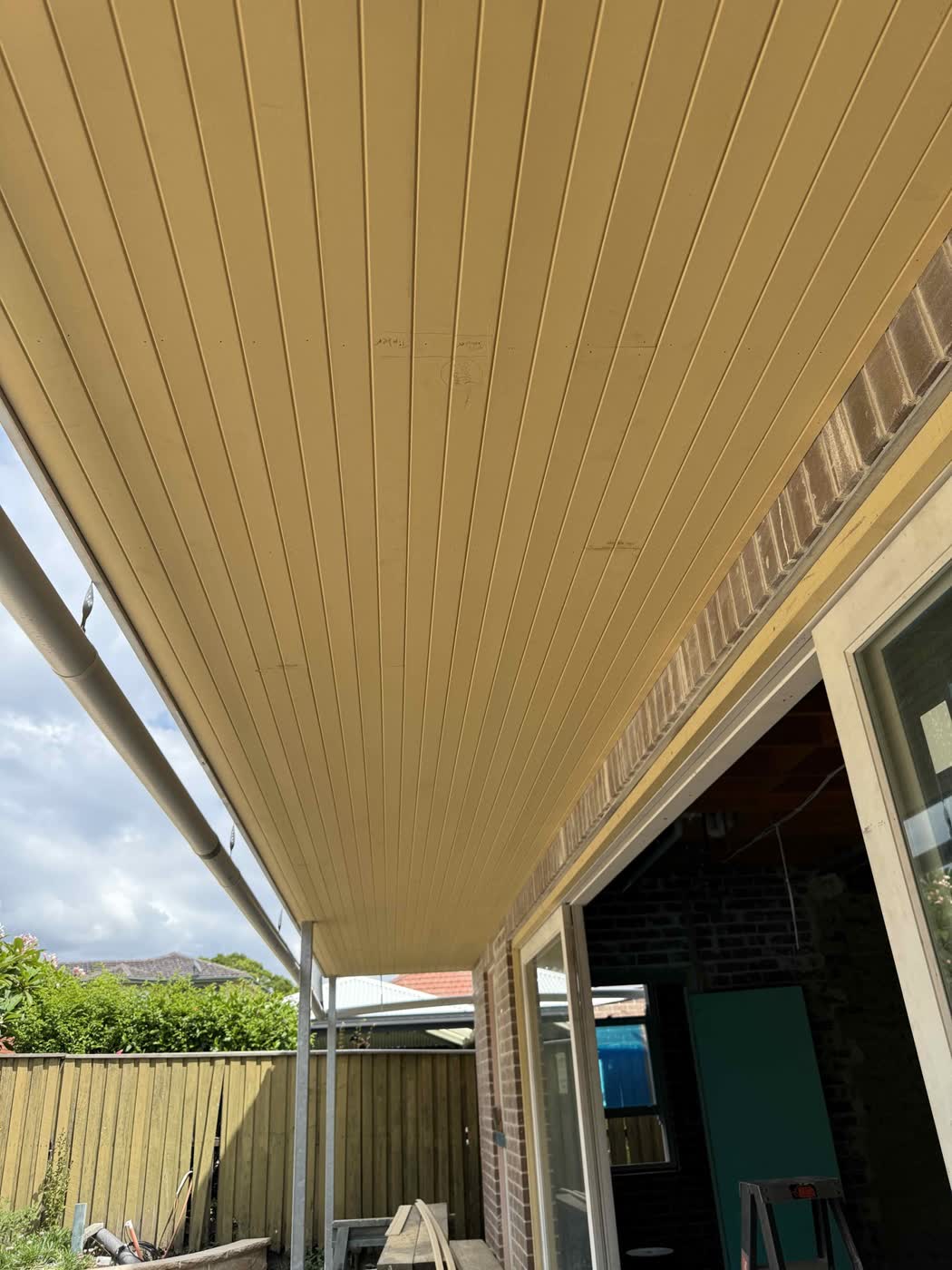
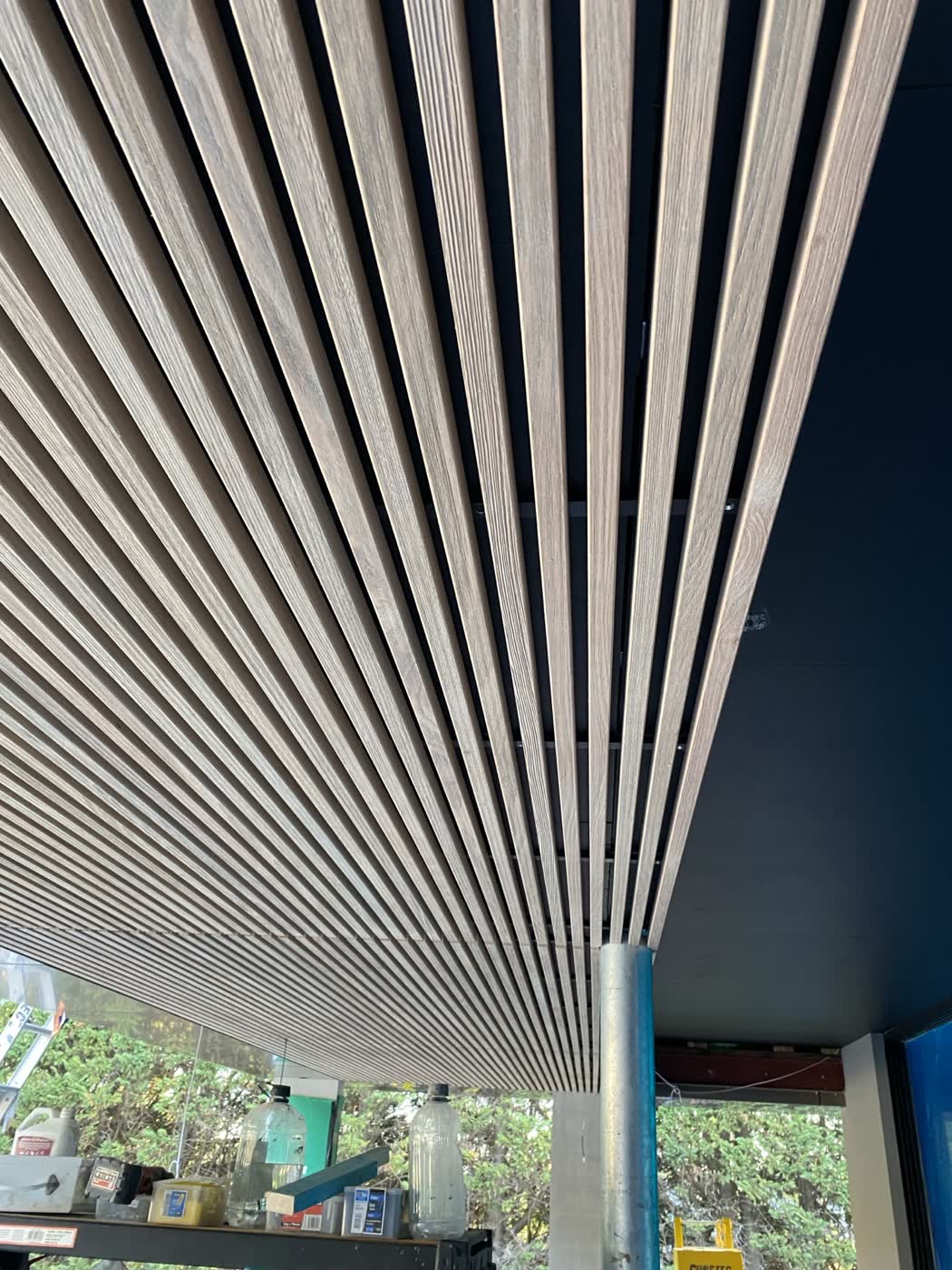
- ceiling, soffit and eave lining
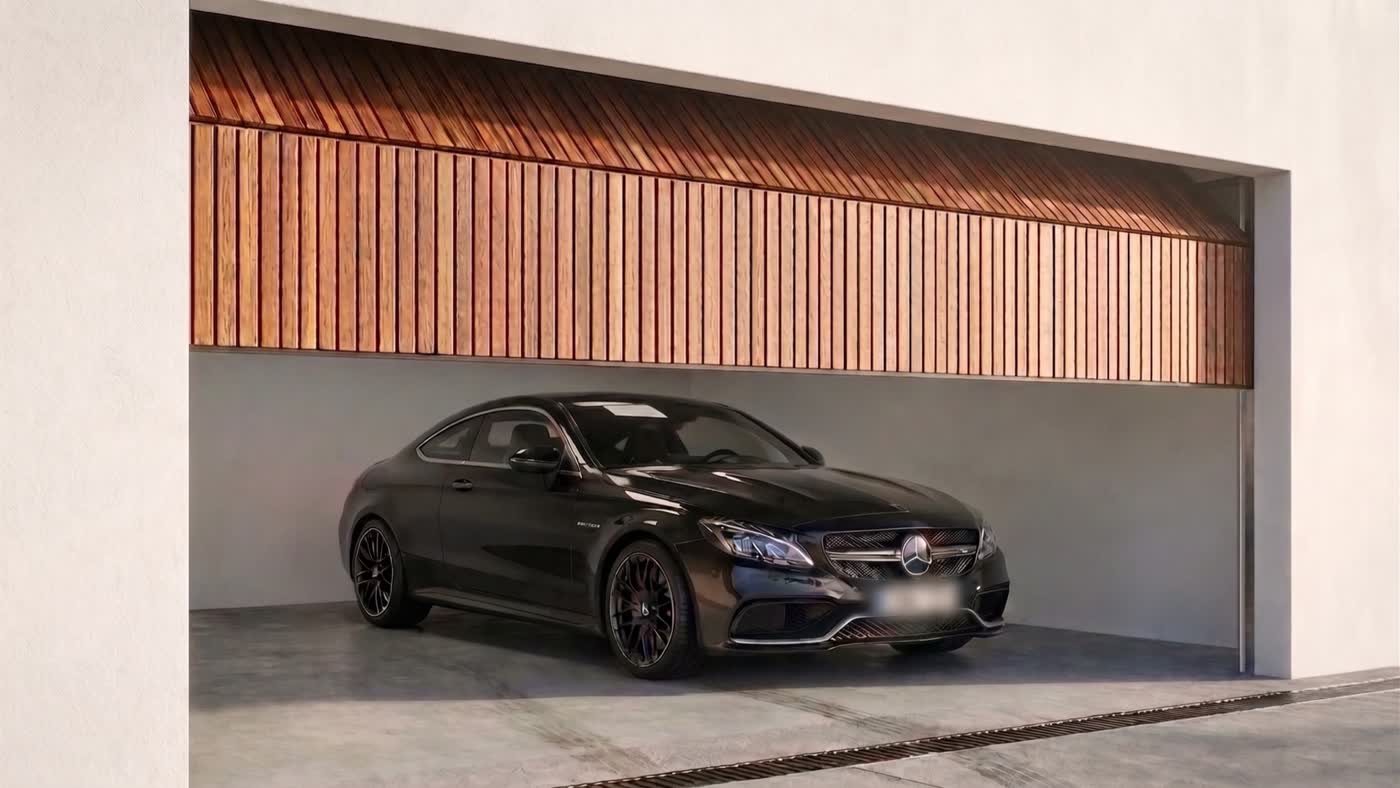
- garage door and feature cladding
- flashing and weatherproofing detail
how we do it
Cladding fails at the joints, not in the middle of a board. Swelling, staining, movement, rot behind the sheet — almost all of it traces back to water getting in at a penetration or a junction and having no way out again. So the detail decides the outcome more than the product does: head flashings over every opening, sill flashings turned up at the ends, expansion gaps left where the manufacturer asks for them, and a drained, ventilated cavity behind the cladding so anything that does get in can drain and dry.
Timber, fibre cement and composite move differently and are fixed differently. Fibre cement is dimensionally stable and wants its joints backed and sealed. Timber weatherboard moves with moisture and wants fixing that allows it. Composite systems arrive with a proprietary fixing schedule that is not optional if the warranty is to hold.
Near the coast the fixing corrodes long before the cladding does, which puts stainless on the list from the start. On a bushfire-prone block the whole wall assembly is governed by the BAL rating from the bushfire assessment — it decides what can be used, how gaps are treated and whether exposed timber is permitted at all. That has to be settled before material selection, not after.
questions we get asked
- Timber, fibre cement or composite?
- Fibre cement is the low-maintenance default and paints well. Timber gives a warmer face where it will be seen close up, with more upkeep. Composite sits between them on price and arrives with a fixing schedule that has to be followed for the warranty to hold.
- Do I need a cavity behind the cladding?
- In most cases, yes. A drained, ventilated cavity is what lets incidental water get back out instead of sitting against the frame.
- Can you re-clad over existing weatherboard?
- Sometimes — but it is worth opening a section first. Re-cladding over a wall that is already wet only hides the problem for a few years.
- What changes on a bushfire-prone block?
- The BAL rating from the bushfire assessment governs the whole wall: what it can be built from, how gaps are sealed, and whether exposed timber is allowed. It needs settling before material selection.
- How is cladding priced?
- By the detail more than the area. Openings, corners and junctions are where the labour goes, so two walls of the same size can price very differently. We quote after a measure.
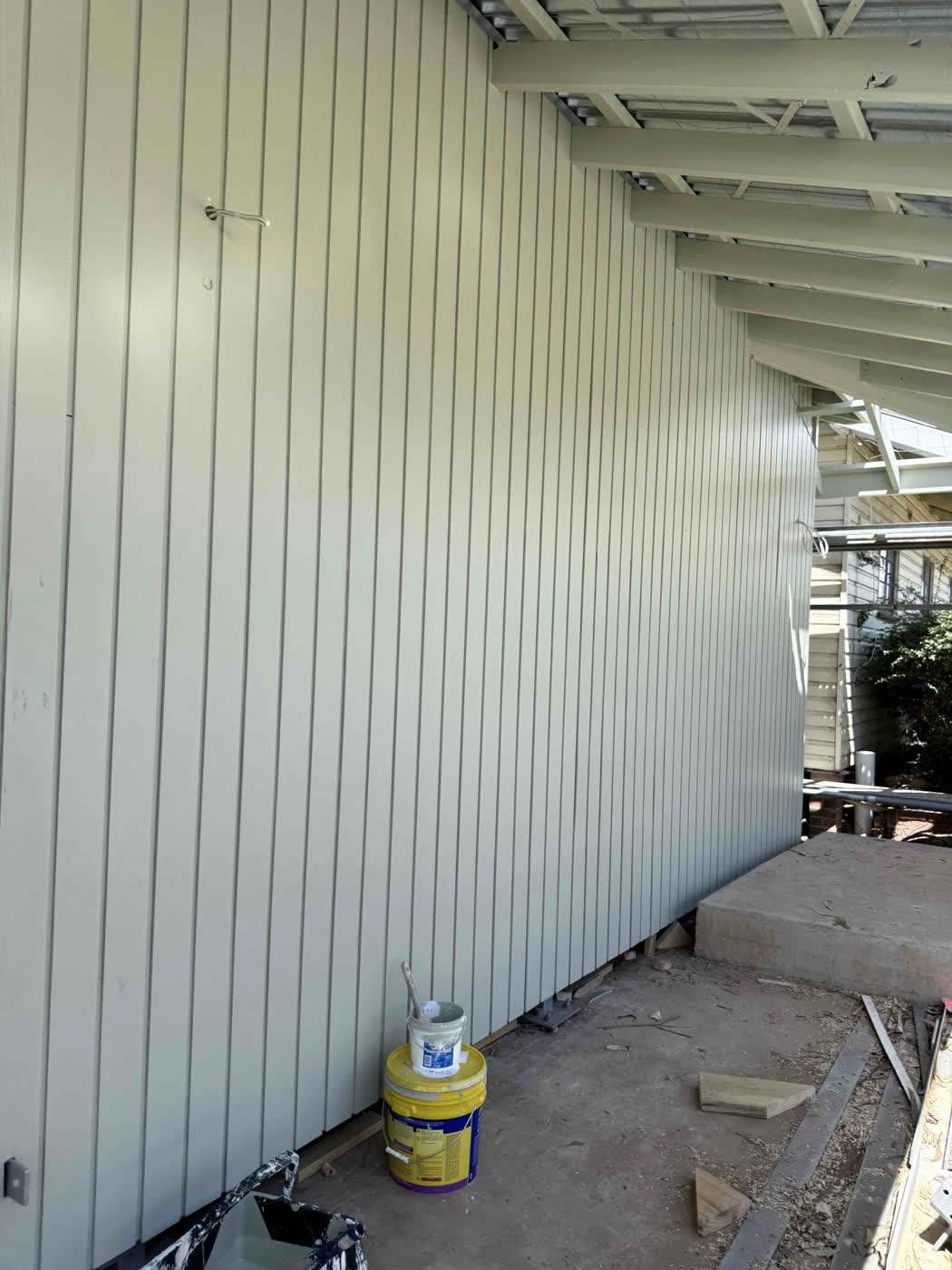
recent cladding
5 projects across Sydney
where we work
get a price on your cladding
tell us about the space and we'll come out, measure up and price it. free, no obligation, and we usually reply the same day.
0450 488 074